I Love You Too: Typography That Embroiders Beautifully
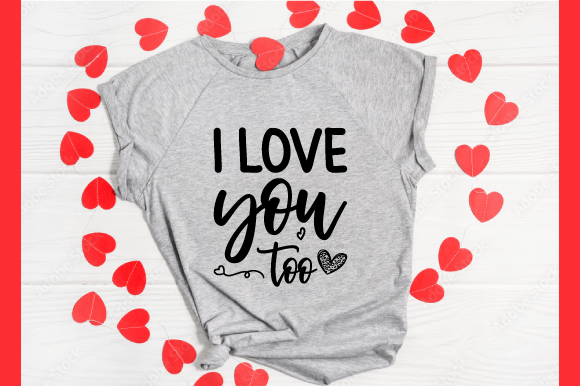
Opening a digital file named I-Love-You-Too feels like reading a warm, half-whispered reply. It is a design that instantly suggests softness, connection, and a tiny bit of playful sweetness. As an embroidery designer and product reviewer, I’m not just looking at how a graphic appears on screen—I’m imagining it stitched onto a sweatshirt, centered on a tote bag, or peeking out from the brim of a cap. This design, part of the Graphics collection in the T-Shirt Designs category, comes as a versatile bundle: high-resolution PNG, editable vector files including AI, EPS, SVG, and also DXF and PDF. That range alone tells me the creator understands the needs of digital crafters, print-on-demand sellers, and yes, embroidery artists willing to take the extra step of digitizing.
The Mood This Design Creates Before a Single Stitch Is Made
The phrase “I love you too” is a response, a completion of a conversation. It carries an emotional weight that is gentle rather than loud. The first thing I notice about I-Love-You-Too is the balanced, friendly letterforms. The typography has a hand-drawn or script-like rhythm, with smooth curves and a comfortable connection between words. It doesn’t scream; instead, it leans in. That visual personality immediately makes me think of personalized gifts, anniversary keepsakes, and matching couple items. Even on a white screen, the design radiates a kind of casual sincerity. When translated into thread, that mood will only deepen. A satin-stitched version on a linen pillow cover, for instance, would feel both timeless and intimate.
Where I-Love-You-Too Feels Most at Home: Practical Project Ideas
Let’s walk through a real scenario. Picture a small batch of hand-embroidered kitchen towels meant for a spring bridal shower or a boutique’s Valentine’s window. I would take I-Love-You-Too, scale the vector file to fit a 4×4 or 5×7 hoop, and stitch it in a soft rose or charcoal thread onto a flour-sack towel. The clean lettering will hold up beautifully against a lightly textured fabric, and the sentiment feels perfectly at home in a kitchen setting—think morning coffee, shared notes, quiet romance.
Beyond towels, this design slides effortlessly onto custom apparel. A crewneck sweatshirt with I-Love-You-Too stitched small on the left chest creates an understated, luxury everyday piece. For a more playful take, a denim jacket with the design converted into a embroidered patch adds a conversational element that customers love. Tote bags, canvas pouches, and even nursery decor (imagine it on a soft blanket as a parent-child message) all become viable products. The design’s typographic nature means it works across genders and ages, which is a major plus if you sell Etsy listings or prepare stock for craft fair products.
From Pixel to Thread: What You Need to Know About Digitizing This Design
The set of files you receive is not an embroidery file—it is a high-quality source graphic. That’s not a drawback; it’s an opportunity to tailor the digitized result precisely to your fabric and machine. The included AI, EPS, and SVG vector formats are clean, scalable, and perfect for importing into digitizing software. As a first step, I open the vector outline, check for any overly thin strokes, and decide how to map fills and satin columns.
For a phrase like “I love you too,” satin stitch is the natural choice for the main lettering, with a running stitch for delicate connectors if the script includes ligatures. The design’s layout—likely a single line or a gracefully stacked arrangement—determines the minimum hoop size. Before cutting any fabric, I test the digitized file on two layers of cotton with a medium-weight cutaway stabilizer. Because the artwork is crisp, the digitized result often looks professional quickly, but I always watch for dense corners where the lettering loops tightly. A bit of manual stitch angle adjustment can prevent bulky overlaps.
Fabric, Stabilizer, and Thread Choices That Make or Break This Design
The beauty of a typography piece like I-Love-You-Too is that it adapts to various fabrics, but smart choices elevate the finished look. For a classic boutique feel, I love pairing it with a soft, natural-toned linen or a brushed cotton twill. The slightly uneven surface of linen actually enhances the handcrafted charm. On dark fabrics, a bright thread color—cream, gold, or mint—creates a striking contrast, while light fabrics handle deeper tones beautifully.
Stabilizer selection is non-negotiable. On stretchy garments like t-shirts or onesies, I use a fusible mesh stabilizer to lock the knit in place. For tote bags and structured caps, a tear-away with a small amount of cutaway support around the tight curves of the lettering prevents shifting. Thread tension must be dialled in perfectly; loose loops on the “o” or “v” can ruin the delicate message. I also test the design in black and white on paper before committing to final thread colors—it reveals whether the stitch density will read well at a distance.
When to Hold Back: Tricky Surfaces and Potential Pitfalls
Not every product is a good fit for I-Love-You-Too. Caps and curved visors can distort the horizontal flow of the text unless you carefully arc the design and keep it small. Tiny hoop sizes, like those under 3.5 inches wide, may force you to shrink the lettering to a point where satin stitches become too fine and lose definition. Thin, flimsy fabrics or extremely plush terry cloth can cause the thread to sink or pull, muddying the clean typography. I also avoid using this design over thick seams or zippered areas because registration shifts feel unforgiving on such an intentional message.
Additionally, if you plan to sell the finished product, remember that this design is intended for commercial embroidery use only after you verify the licensing terms. The original seller mentions it’s for websites and stores, but always double-check if you intend to offer digitized embroidery files or physical products. Respecting these boundaries keeps your small business in good standing.
Customer Reaction and Commercial Appeal
When I mentally place I-Love-You-Too into a made-to-order shop or a booth at a craft market, I see strong emotional pull. This is not just a generic heart; it’s a phrase people actually exchange. A mother might buy a personalized apron for her daughter. A fiancée might request it on a set of pillowcases. Buyers looking for wedding gifts or anniversary tokens often appreciate understated text over loud graphics. The design’s simplicity allows it to pair with other motifs—flowers, initials, dates—without clashing.
Your product value increases because the message feels personal yet versatile. In a world of mass-produced slogans, I-Love-You-Too carries a quiet, handmade authenticity that resonates with shoppers on Etsy and beyond. If you create printable mockups for your shop, the high-res PNG file helps you present a polished preview even before the embroidery machine runs.
A Few Designer Notes to Keep Your Projects Professional
Before adding this design to a public collection or a client order, there are a few habits I’ve learned the hard way. Test the digitized version on a scrap of the exact fabric you intend to use—washed and dried first. Check how the thread colors interact under both natural daylight and warm indoor lighting. The “you too” portion often contains smaller lettering; if you scale below 50% of the original vector, increase the stitch density slightly or switch to a micro-font version of the design.
For handmade presentation, I like to finish the back of embroidery hoops with a felt cover if the product will be gifted, and I always include care instructions reminding customers to wash items inside out on a gentle cycle. These small touches build buyer engagement and trust.
Ultimately, I-Love-You-Too is more than a flat graphic. It is a ready-made emotional prompt that, when digitized thoughtfully, transforms fabric into something worth keeping forever. Whether you stitch it onto a cozy winter scarf, a boutique-branded apron, or a line of children’s tees, the result speaks directly to the heart. Just take the time to digitize with care, match the thread to the fabric mood, and you’ll have a finished product that customers will reach for again and again.